

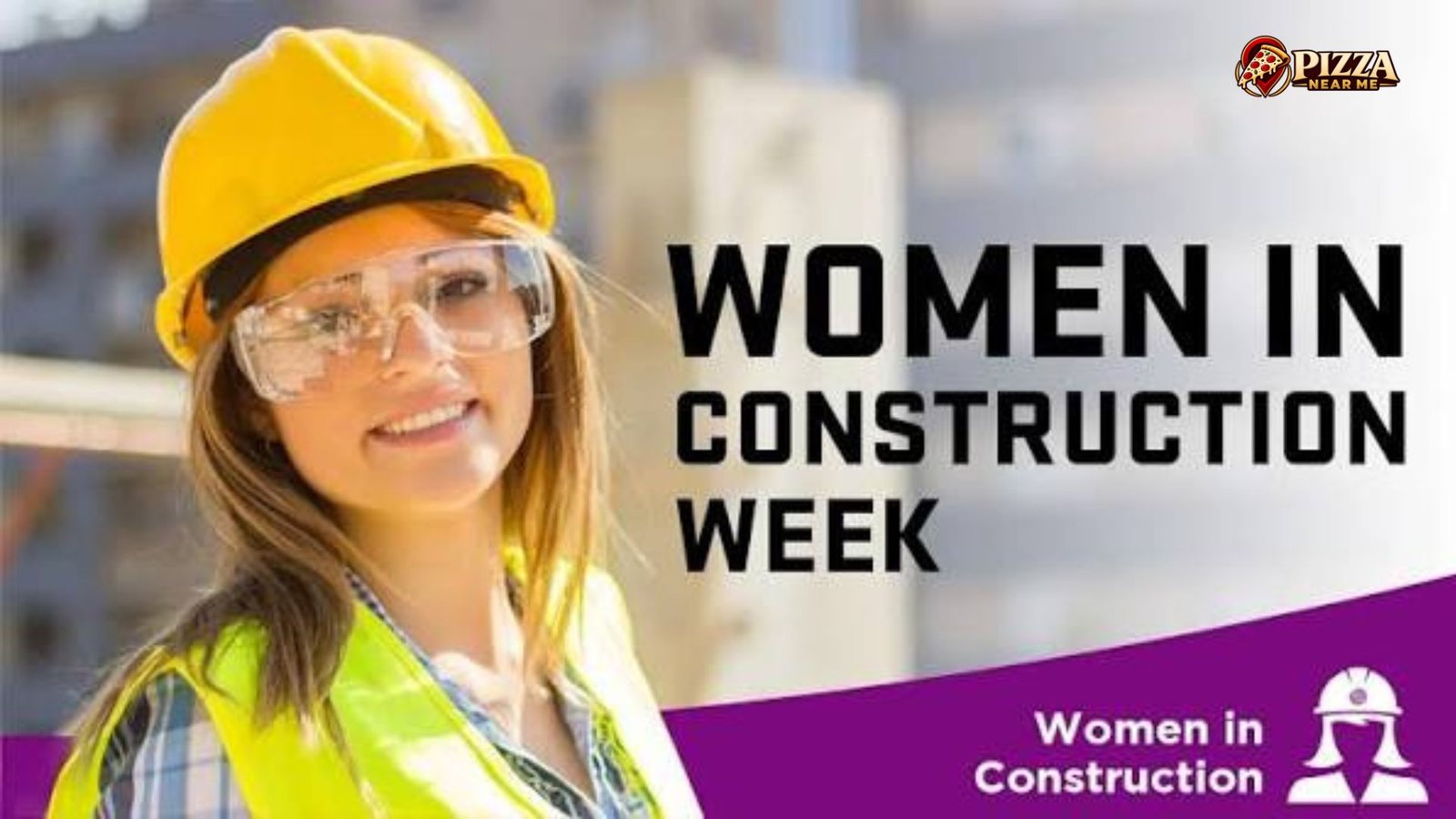
Women in Construction Week is an annual observance that recognizes the skills, leadership, and contributions of women across the construction industry. Led by the National Association of Women in Construction (NAWIC), the week brings attention to careers, professional development, mentorship, workplace practices, and the growing role women play in the built environment. In 2026, NAWIC held WIC Week from March 1–7 under the theme “Level up. Build strong.”
For employers, educators, industry professionals, and people considering construction careers, the week is more than a celebration. It is an opportunity to examine how companies recruit talent, support career progression, improve jobsite culture, and create workplaces where skilled professionals can build long-term careers.
What Is Women in Construction Week?
Women in Construction Week is a nationwide initiative founded and led by NAWIC. It traditionally takes place during the first full week of March and connects national programming with local chapter events. Activities can include webinars, jobsite tours, networking events, panel discussions, mentorship opportunities, community projects, and career-focused programs.
The observance has a long history. NAWIC traces its origins to 1955, when a group of women working in the construction industry formed what became the organization. In 1960, Amarillo, Texas, recognized the contributions of women in construction with an official observance. NAWIC later moved the week to the first full week of March in 1998, connecting it with Women’s History Month and International Women’s Day.
That history helps explain why the event remains relevant: construction is not one career path. It includes skilled trades, project management, engineering, estimating, architecture, safety, procurement, administration, technology, business ownership, and executive leadership.
Why Women in Construction Week Matters
The construction workforce needs people with a wide range of technical, managerial, and problem-solving skills. Recognizing women already working in the sector can also make the industry more visible to people who may not have previously considered construction as a career.
U.S. Bureau of Labor Statistics data shows that women represented 14.3% of employment in the construction industry in December 2025. The proportion varied considerably by subsector: women accounted for about 20.2% of employment in building construction, compared with 12.9% among specialty trade contractors.
These figures show both participation and opportunity. Women are already contributing across construction, but representation is not uniform throughout the industry.
Women in Construction Week gives companies a useful reason to move beyond general statements about diversity and examine practical questions:
- Are job descriptions focused on genuine qualifications?
- Do apprentices and new hires have access to meaningful training?
- Are women represented in supervisory and leadership pipelines?
- Are personal protective equipment and workwear available in appropriate sizes and designs?
- Can employees raise safety or workplace concerns without fear of retaliation?
- Are experienced workers encouraged to mentor people entering the industry?
Career Opportunities Across the Construction Industry
A common misconception is that construction careers are limited to physically demanding jobs on a jobsite. In reality, the sector offers a broad range of occupations.
| Career area | Examples of roles | Useful strengths |
|---|---|---|
| Skilled trades | Electrician, plumber, carpenter, equipment operator | Technical ability, precision, safety awareness |
| Project delivery | Project manager, superintendent, scheduler | Organization, communication, decision-making |
| Design and engineering | Architect, civil engineer, BIM specialist | Technical knowledge, design, analytical thinking |
| Commercial roles | Estimator, procurement specialist, contract administrator | Numeracy, negotiation, attention to detail |
| Safety and compliance | Safety coordinator, safety manager | Risk assessment, communication, regulatory knowledge |
| Business leadership | Contractor, executive, business owner | Leadership, financial management, strategic thinking |
This range is one reason Women in Construction Week can be valuable to students and career changers. Someone interested in construction does not necessarily need to begin with the same training route as a person entering a skilled trade. Education, apprenticeships, certifications, internships, employer training, and practical experience can all form part of a career pathway.
💡 Pro Tip: If you are entering construction, choose one specific skill to develop during your first year—such as blueprint reading, estimating software, scheduling, electrical fundamentals, or jobsite safety—and document your progress. A concrete skills record can make conversations with supervisors and future employers more productive.
How Companies Can Participate
A strong workplace initiative should produce something useful rather than becoming a once-a-year social media post. Employers can use the week to connect recognition with measurable workplace actions.
Practical activities include:
- Host a career conversation. Invite women from different departments or career stages to discuss their work and answer questions from employees or students.
- Offer jobsite exposure. A supervised site visit can help students and prospective employees understand how different roles work together.
- Create mentorship opportunities. Pair early-career employees with experienced professionals for structured conversations and development goals.
- Review recruitment practices. Examine whether job advertisements, interview processes, and outreach efforts reach a broad range of qualified candidates.
- Highlight technical expertise. Feature women in trades, engineering, project delivery, safety, operations, and leadership rather than presenting construction as a single type of job.
- Discuss safety openly. Employers can review PPE availability, reporting procedures, training, and site conditions with the workforce.
NAWIC also provides resources for job seekers and employers, including a career center and safety-related resources developed through its work with OSHA.
What Women Can Gain From the Week
For professionals already working in construction, the event can be a useful opportunity to expand a network, identify mentors, learn about advancement opportunities, and make professional achievements more visible.
For students or people considering a career change, local chapter events can provide a less formal way to ask questions about apprenticeships, education, daily responsibilities, career progression, and workplace expectations.
The most valuable participation is often practical. Instead of simply attending an event, consider leaving with one new professional connection, one skill-development goal, and one concrete next step.
📌 Key Takeaway: Women in Construction Week is most meaningful when recognition leads to action. Celebrating women’s contributions matters, but creating access to training, mentorship, safe workplaces, leadership opportunities, and meaningful career progression has a longer-lasting effect.
Frequently Asked Questions
When is Women in Construction Week?
NAWIC holds the observance during the first full week of March. In 2026, WIC Week took place March 1–7. Dates and annual programming can change, so employers and participants should check NAWIC’s current WIC Week information for upcoming events.
Who organizes Women in Construction Week?
The National Association of Women in Construction organizes the nationwide WIC Week initiative. NAWIC’s local chapters, regional groups, partners, and industry organizations can also host activities and programs connected with the observance.
What are good ways to celebrate WIC Week at work?
Companies can recognize employees, organize mentoring sessions, host career panels, arrange jobsite tours, provide professional-development opportunities, or invite students to learn about construction careers. The strongest activities connect recognition with practical learning or career development.
Can students participate in Women in Construction Week?
Yes. Students can use WIC Week activities to learn about construction careers, meet industry professionals, explore education or apprenticeship options, and understand the range of roles available beyond traditional assumptions about construction work.
Why are women important to the construction industry?
Women contribute across trades, engineering, project management, estimating, safety, administration, technology, and leadership. Their participation broadens the industry’s talent pool and brings different professional experiences and perspectives to projects and organizations.
Conclusion
Women in Construction Week provides a visible moment to recognize professionals who are helping build homes, infrastructure, businesses, and communities. More importantly, it gives the industry an opportunity to turn recognition into practical improvements in recruitment, training, safety, mentorship, and advancement.
The strongest legacy of Women in Construction Week is not a single event or campaign. It is a construction industry where women can enter, develop expertise, lead projects, start businesses, and build lasting careers based on their skills and potential.

1 Comment
Pingback: Emerging market opportunities: Where Growth Is Happening - Pizza Near Me