

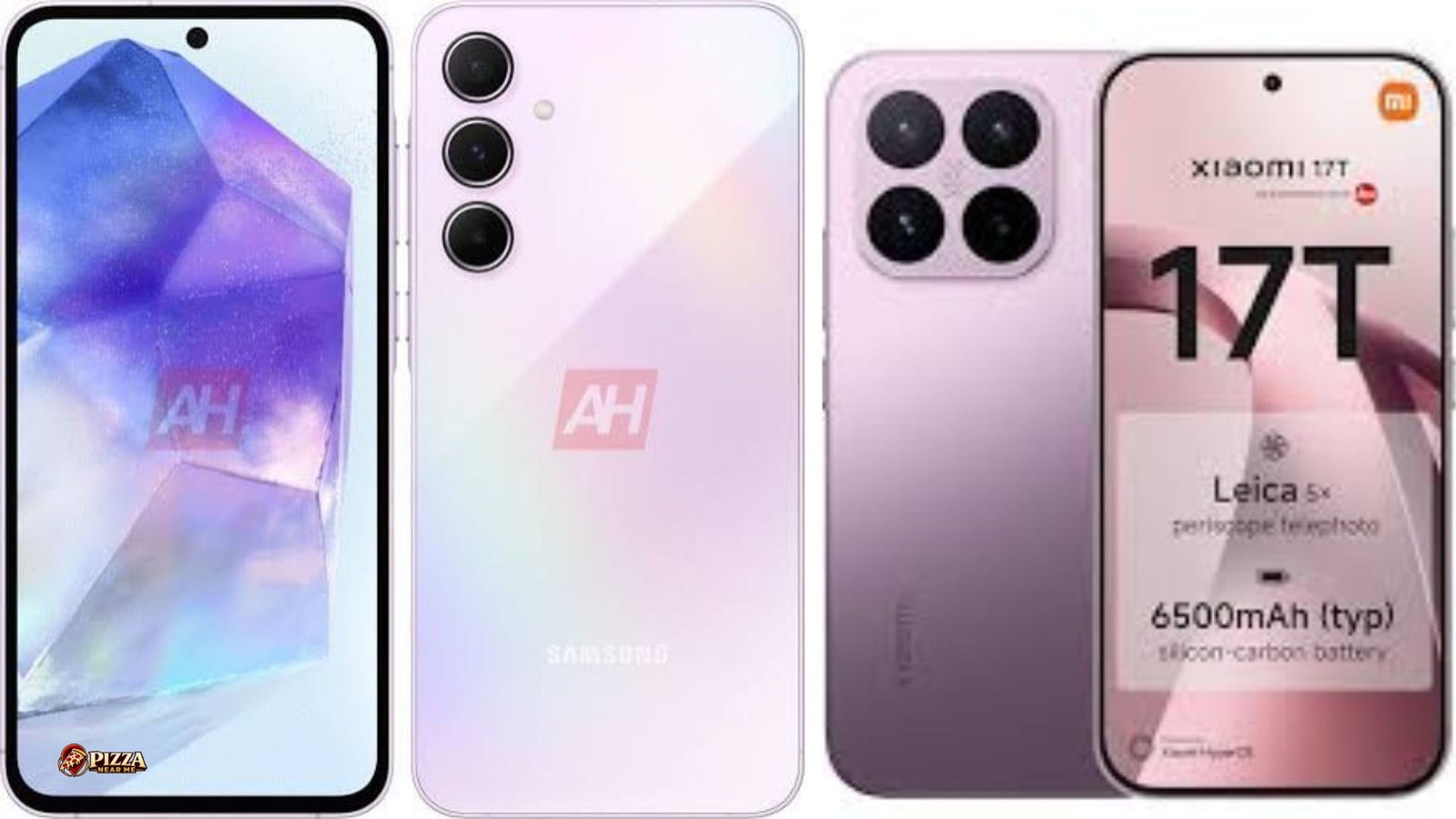
GSMArena is one of the most recognized destinations for people researching mobile phones. Its core appeal is straightforward: users can look up detailed specifications, read reviews, compare devices, follow smartphone news, and examine phone images in one place. The official GSMArena app describes the service as providing mobile phone news, reviews, specifications, comparisons, ratings, and device galleries.
For someone deciding between an iPhone, Samsung Galaxy, Google Pixel, OnePlus, Xiaomi, or another Android phone, the platform can be particularly useful during the research stage. However, knowing how to read specifications and reviews is just as important as finding them.
What Is GSMArena?
GSMArena is a technology publication and mobile-device information platform focused heavily on smartphones and related products. Its database-style approach makes it useful for checking technical information before buying a phone or comparing an older device with a newer model.
The service covers more than simple specifications. Its official app provides access to news, rumors, long-form reviews, device ratings, head-to-head comparisons, photographs, and community discussions.
That combination makes the site useful for several types of readers:
- Buyers comparing phones before spending money
- Enthusiasts tracking new releases and rumors
- Users checking specifications for an existing phone
- Writers and researchers verifying device information
- People comparing cameras, displays, processors, batteries, and connectivity
Why GSMArena Is Useful for Phone Research
The biggest advantage is the concentration of information. Instead of checking a manufacturer’s product page for basic specifications and then searching elsewhere for reviews, comparisons, and community discussion, users can investigate many aspects of a device from the same ecosystem.
A typical phone listing can help you examine specifications such as display technology, screen size, chipset, memory, storage, cameras, battery capacity, charging, dimensions, weight, network connectivity, and software.
Reviews add another layer. Specifications tell you what a manufacturer claims or what hardware a device contains; a hands-on review can provide context about performance, photography, battery behavior, display quality, software, and everyday usability.
The official app also highlights ratings for areas such as display quality, device performance, and battery life.
| Research need | Useful GSMArena feature | What to check |
|---|---|---|
| Technical details | Specifications | Display, chipset, RAM, storage, cameras, battery |
| Choosing between phones | Comparison tools | Hardware and feature differences |
| Real-world assessment | Reviews | Performance, cameras, battery and usability |
| Latest developments | News and rumors | Launches, announcements and upcoming devices |
| Visual inspection | Photo galleries | Official and original device images |
How to Compare Phones More Effectively
A common mistake is choosing a phone because it has the largest number in one specification. A 200MP camera, for example, does not automatically mean better photographs than a 50MP camera. The sensor, lens, image processing, stabilization, and software all influence results.
The same principle applies to processors and batteries. More cores or a larger battery capacity can be useful, but efficiency, software optimization, display technology, charging behavior, and the user’s workload also matter.
When using GSMArena, start by identifying your priorities. If you play demanding games, concentrate on the chipset, sustained performance, cooling, display refresh rate, and battery. If photography matters most, look beyond megapixels and examine the complete camera system and review results.
For everyday use, software support, display quality, battery life, camera reliability, durability, and connectivity may matter more than benchmark numbers.
💡 Pro Tip: When comparing two phones, write down your three most important requirements before opening the specifications. This prevents impressive but irrelevant numbers from influencing your decision.
GSMArena Reviews vs. Specifications
Specifications are valuable because they establish the technical baseline. They can tell you whether a phone has an OLED or LCD display, which processor it uses, how much storage is available, and whether features such as NFC, wireless charging, or a particular cellular standard are supported.
Reviews answer a different question: how does the device behave in practice?
That distinction is important. Two phones can share similar specifications while offering noticeably different experiences because of software, thermal management, camera processing, display calibration, speakers, or battery optimization.
GSMArena reviews can therefore be more useful than a specification sheet when the purchase decision comes down to everyday experience. The platform’s official app specifically promotes long-form reviews and ratings covering major aspects of smartphone performance.
Checking Phone Prices and Availability
One area that requires additional care is pricing. Smartphone prices vary by country, retailer, storage configuration, promotions, taxes, and release date.
A specification database can help you identify the correct model, but buyers in the United States or United Kingdom should confirm the current price and regional availability with local retailers or the manufacturer’s official website.
The same caution applies to network compatibility. A phone sold in one market may have different bands, software, storage configurations, or even processor variants in another region. Before importing a device, verify its exact model number and supported network frequencies.
📌 Key Takeaway: Use GSMArena as a research tool rather than treating one specification or score as the final buying decision. Compare the complete hardware package, read the review, check regional compatibility, and then confirm current pricing from a trusted seller.
Frequently Asked Questions
Is GSMArena reliable for phone specifications?
GSMArena is widely used for detailed mobile-device specifications, comparisons, reviews, and news. Its official app describes its database as extensive and emphasizes detailed specifications and head-to-head comparisons. Even so, buyers should verify unusual or region-specific details against the manufacturer’s official documentation before purchasing.
Can I compare two phones on GSMArena?
Yes. Phone comparisons are one of the platform’s useful features. Comparing devices side by side can make differences in displays, processors, cameras, battery capacity, storage, dimensions, connectivity, and other specifications easier to identify. The comparison should still be followed by a review if real-world performance is important.
Does GSMArena cover iPhones and Android phones?
Yes. The platform covers smartphones from major manufacturers across the mobile market, including Apple and numerous Android brands. Its database and editorial coverage are designed around mobile phones rather than being limited to one operating system or manufacturer.
Is the GSMArena app official?
The Google Play listing identifies the app as the official GSMArena.com application. It provides access to specifications, news, reviews, comparisons, photo galleries, ratings, comments, and notifications. The listing was updated on June 30, 2026.
Should I trust phone specifications alone before buying?
No. Specifications are an excellent starting point, but they do not fully describe the ownership experience. Camera processing, thermal performance, software quality, battery endurance, display calibration, speakers, update support, and regional compatibility can all affect whether a phone is right for you.
Final Verdict
GSMArena remains valuable because it brings technical specifications, reviews, comparisons, news, ratings, and device photography into a research-focused experience. For shoppers, the best approach is to use its database to narrow down choices and its reviews to understand how those choices perform beyond the specification sheet.
If you are researching a new smartphone, GSMArena can provide a strong starting point—but the final decision should also consider your budget, local pricing, network compatibility, software support, and personal priorities.
